Enable Stroke Rehab · 12-Week Exercise Program
Hospital Rehab got things started. we help carry stroke recovery forward
With our Whole Team Behind You
Better movement, more independence, and a fuller day — that's what the work is really about. Over 12 focused weeks, our physiotherapists and exercise physiologists build a plan around the things that matter most to you.
See If It's Right For You
5 quick questions — then book, or ask us to call.
From our Community
What others are saying
We understand where you’re starting from
The Hardest Part Is Often Not Knowing What’s Still Possible.
After a stroke, people are often sent home with a folder, a few exercises, and the word “plateau.”
What’s usually missing is a real plan — and someone in your corner who believes there’s more
ahead. That’s where we start.
If you’re the one recovering
Everyday things that used to be automatic now take real effort — and that’s tiring, not a failing.
Days of frustration, and days of real determination.
Wanting to do more of it yourself again.
If you’re supporting someone
Carrying more than you expected, often on your own.
Wondering if you’re doing the right things between appointments.
Wanting some of your own time back, without the guilt.
None of this means anything is broken. It means it’s time for a proper plan — and a team
to share the load.
“Plateau” is not the end of the road
What Holds People Back Usually Isn’t The Stroke — It’s The Word “Plateau.”
A plateau is a pause, not a full stop. Here are a few things people are often told — and what the
evidence, and our experience, actually suggest.
If you’re supporting someone
“We’ve plateaued.”
The brain keeps relearning when it’s trained well. A plateau usually means the plan stopped progressing — not that you have.
“If we just maintain, that’s enough.”
Staying still often means slowly slipping. With the right, steady work, there’s frequently more to gain than expected.
“We tried rehab and it didn’t help.”
There’s a real difference between a sheet of exercises and a stroke-specific plan with a team around you and regular measurement.
“If I push, I’ll get hurt.”
Too little challenge holds you back; too much risks injury. The skill is steady, guided progression by clinicians who know stroke.
How we work together
Three Steps. One Shared Plan You Can Actually Follow.
STEP 01
Evaluate from the beginning
Together, we map where you are now — strength, movement, balance, and the goals that matter most to you. Nothing assumed.
STEP 02
Enable the steps
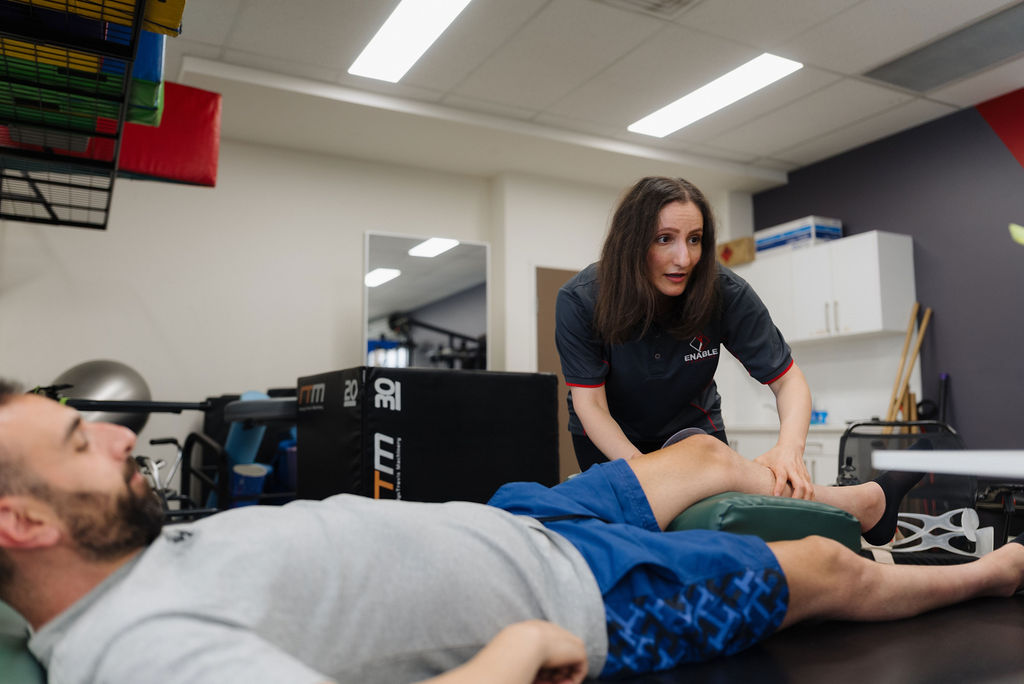
Twelve weeks of hands-on physiotherapy and exercise physiology from one plan, plus a weekly group session, a clinic program run by our allied health assistants, and a home program you can follow between visits.
STEP 03
Elevate what’s possible
A full re-assessment against where you began. We show you what’s changed, mark the wins together, and map how to keep the momentum going after the 12 weeks.
MEET YOUR TEAM
The People Who'll Be In Your Corner.
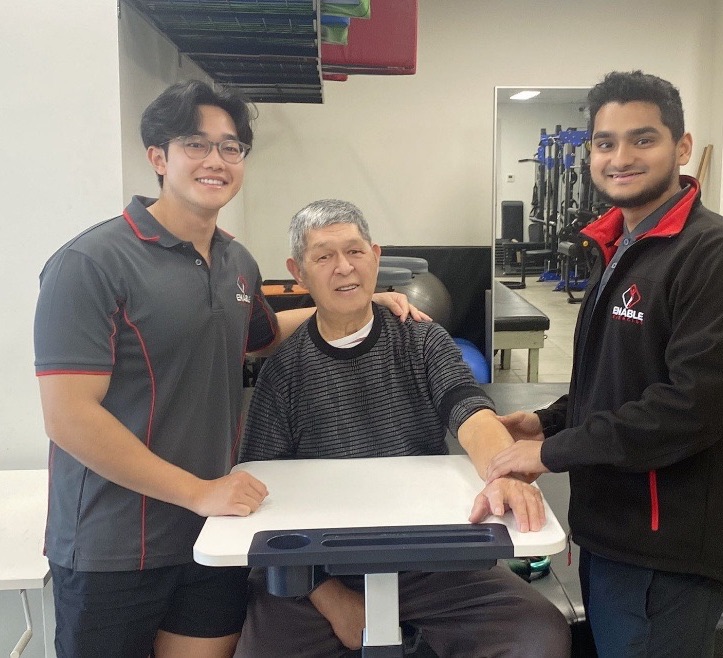
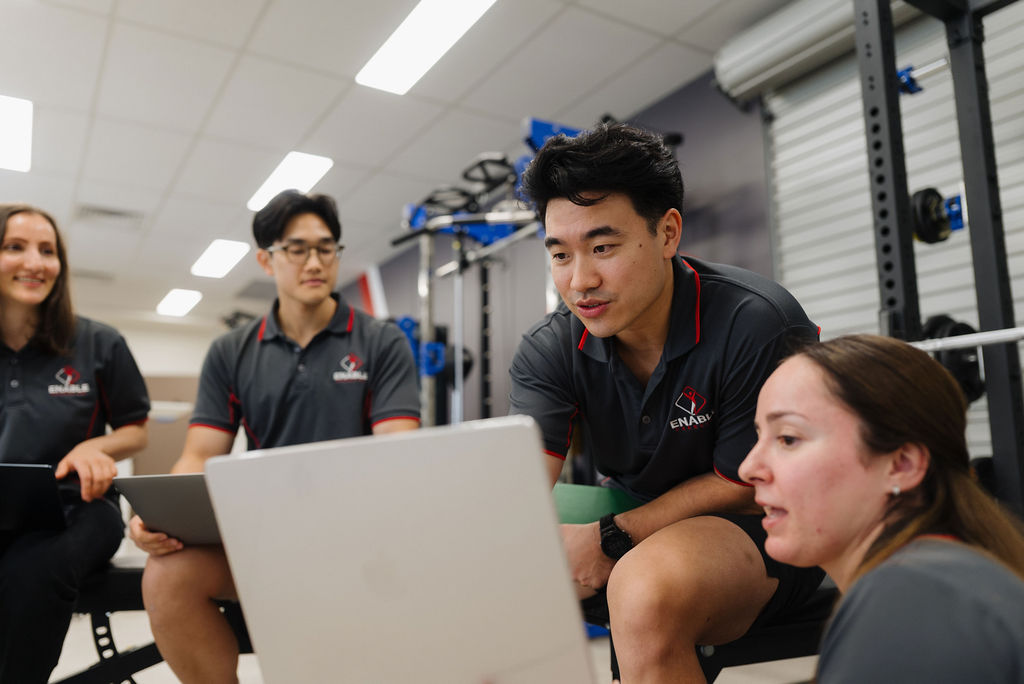
One team, working from one plan — physiotherapists and exercise physiologists who specialise in
neurological rehabilitation.
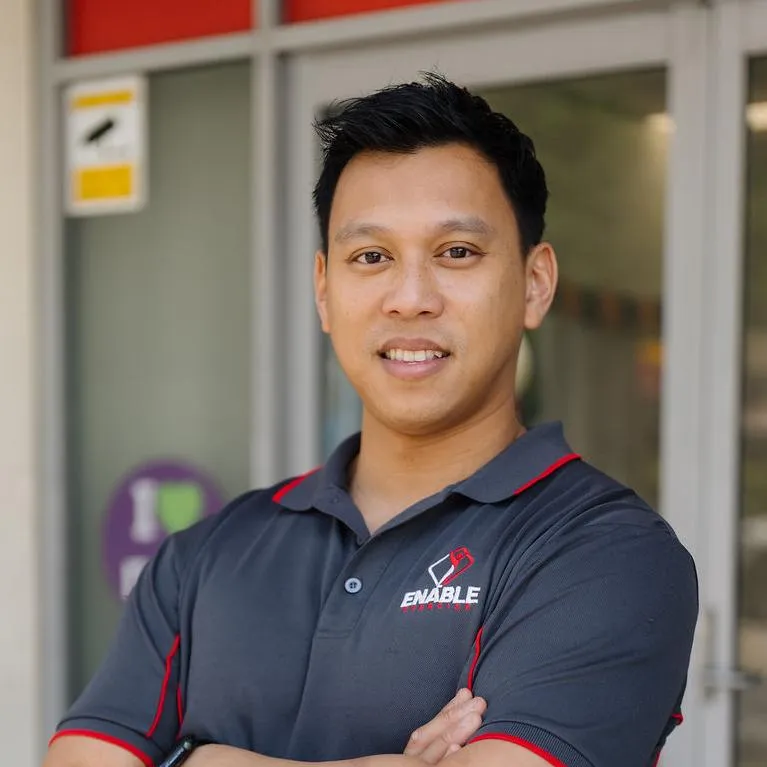
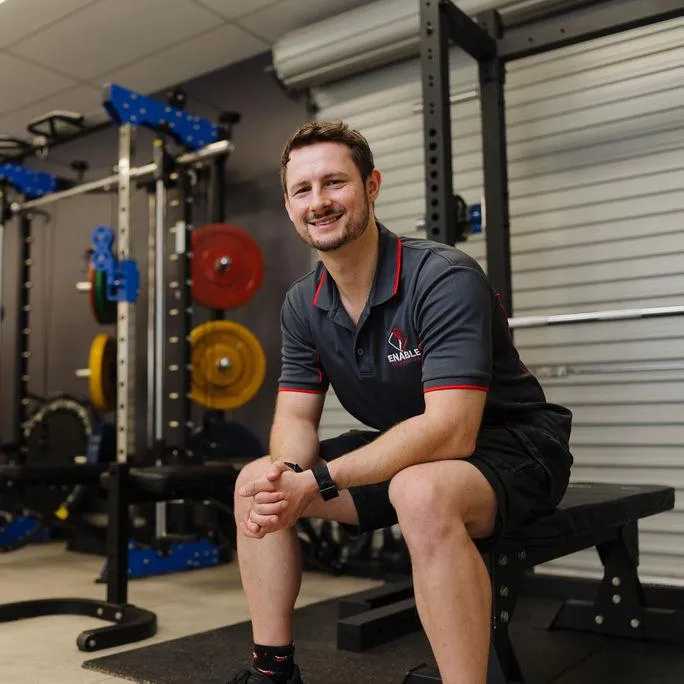
Kwan
Founder & Principal Exercise Physiologist
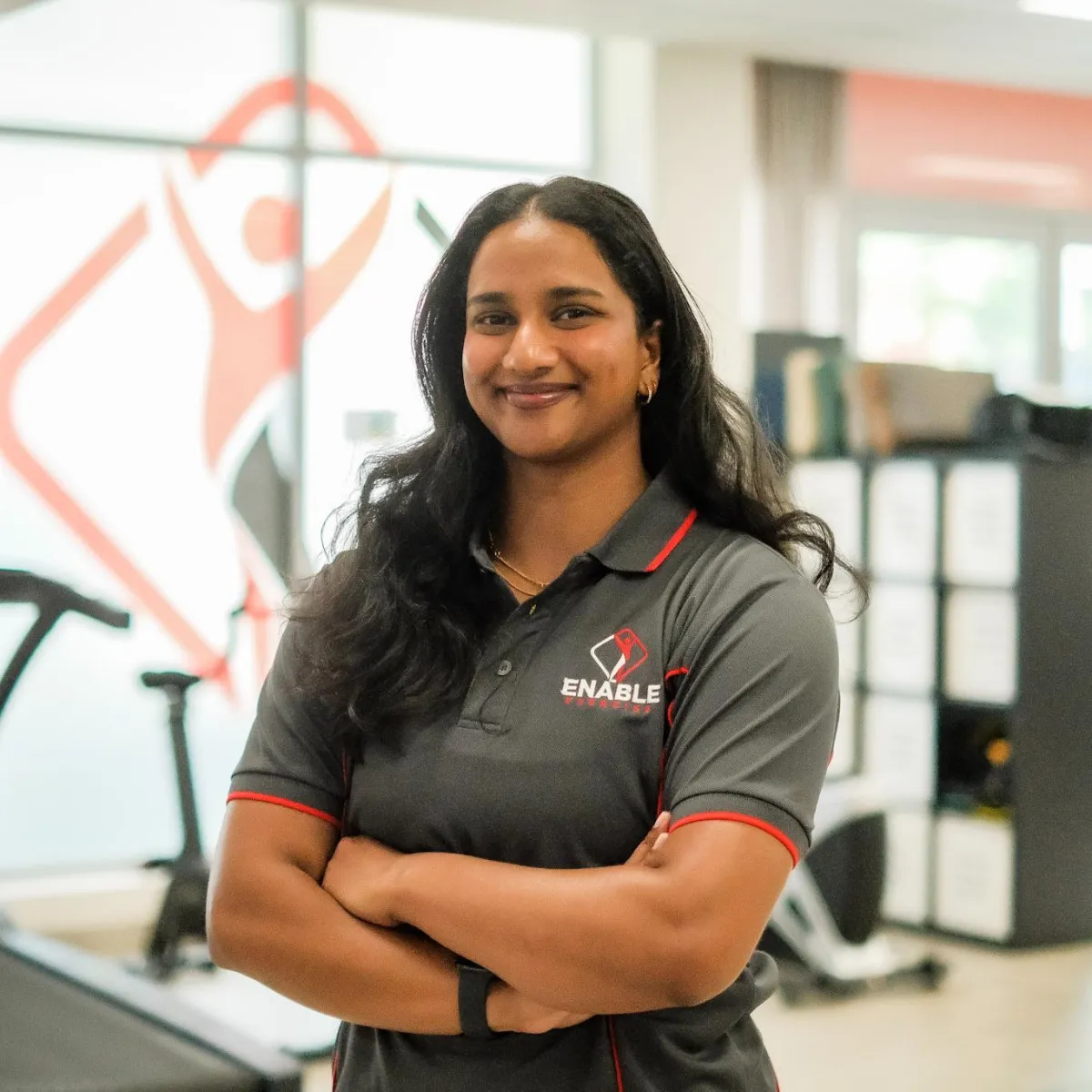
Matthew
Physiotherapist & Exercise Physiologist
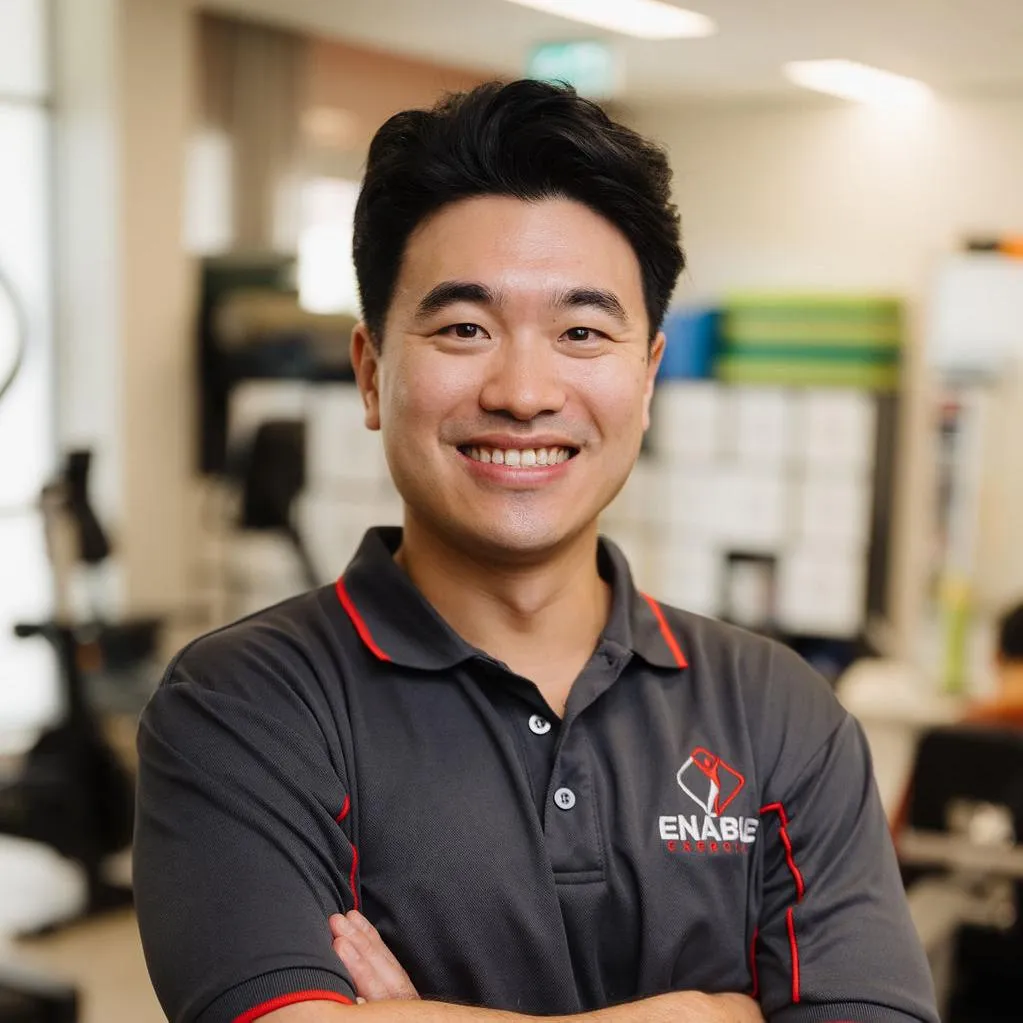
Anuki
Physiotherapist & Exercise Physiologist
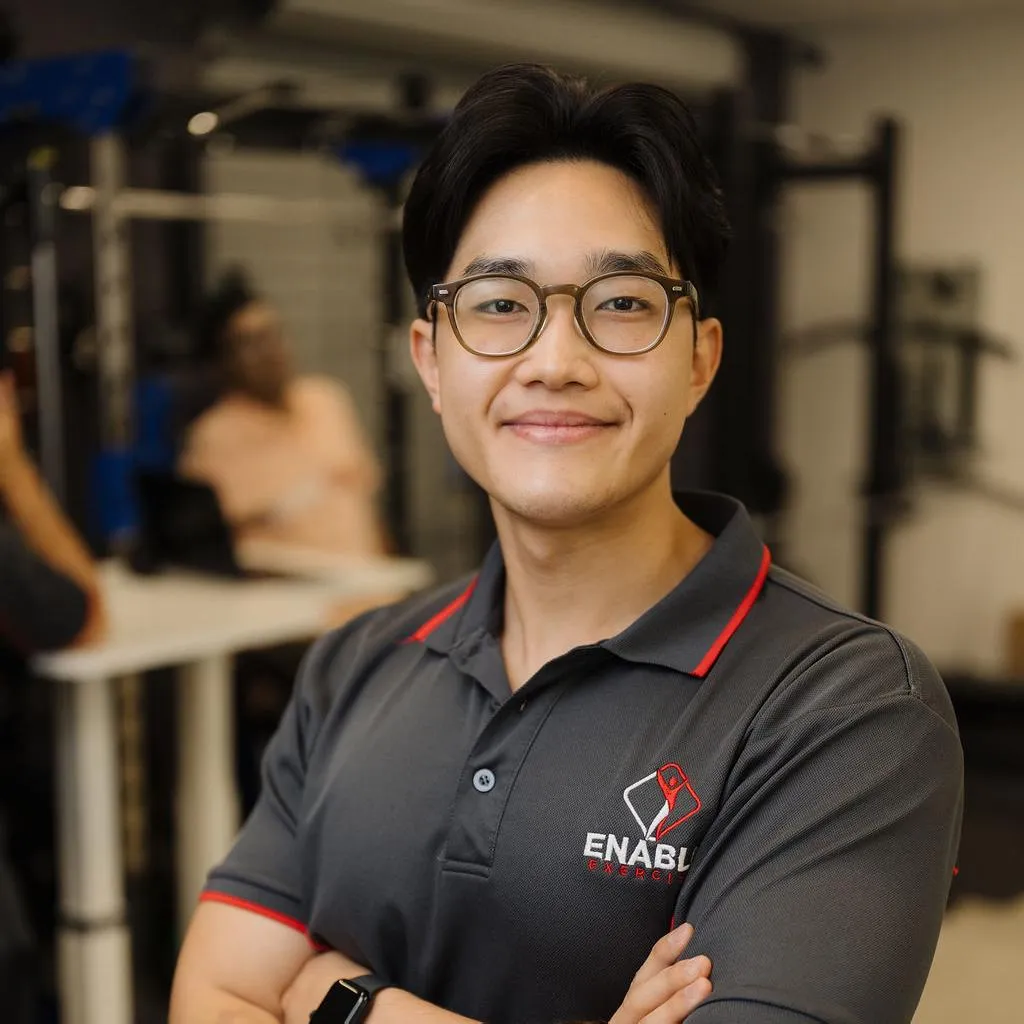
Sean
Exercise Physiologist
Zheng
Exercise Physiologist
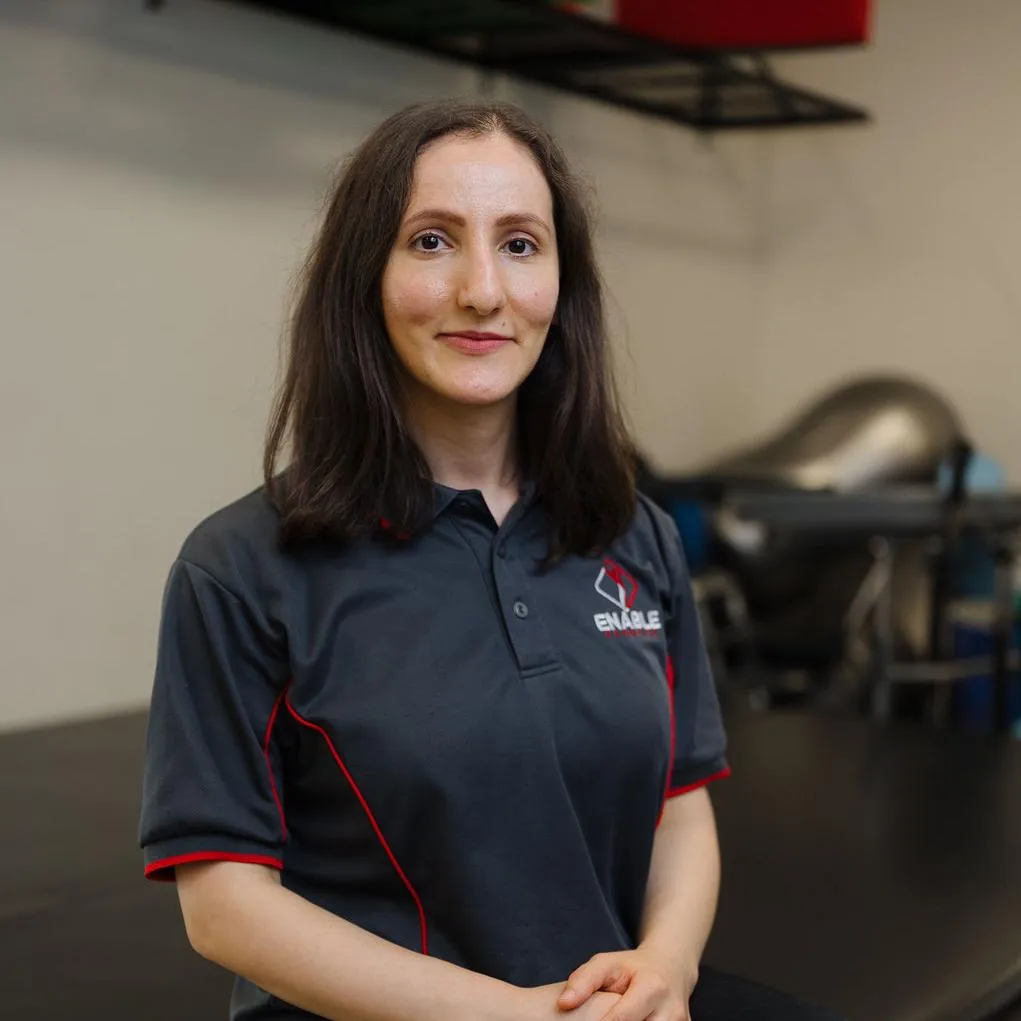
Noor
Physiotherapist
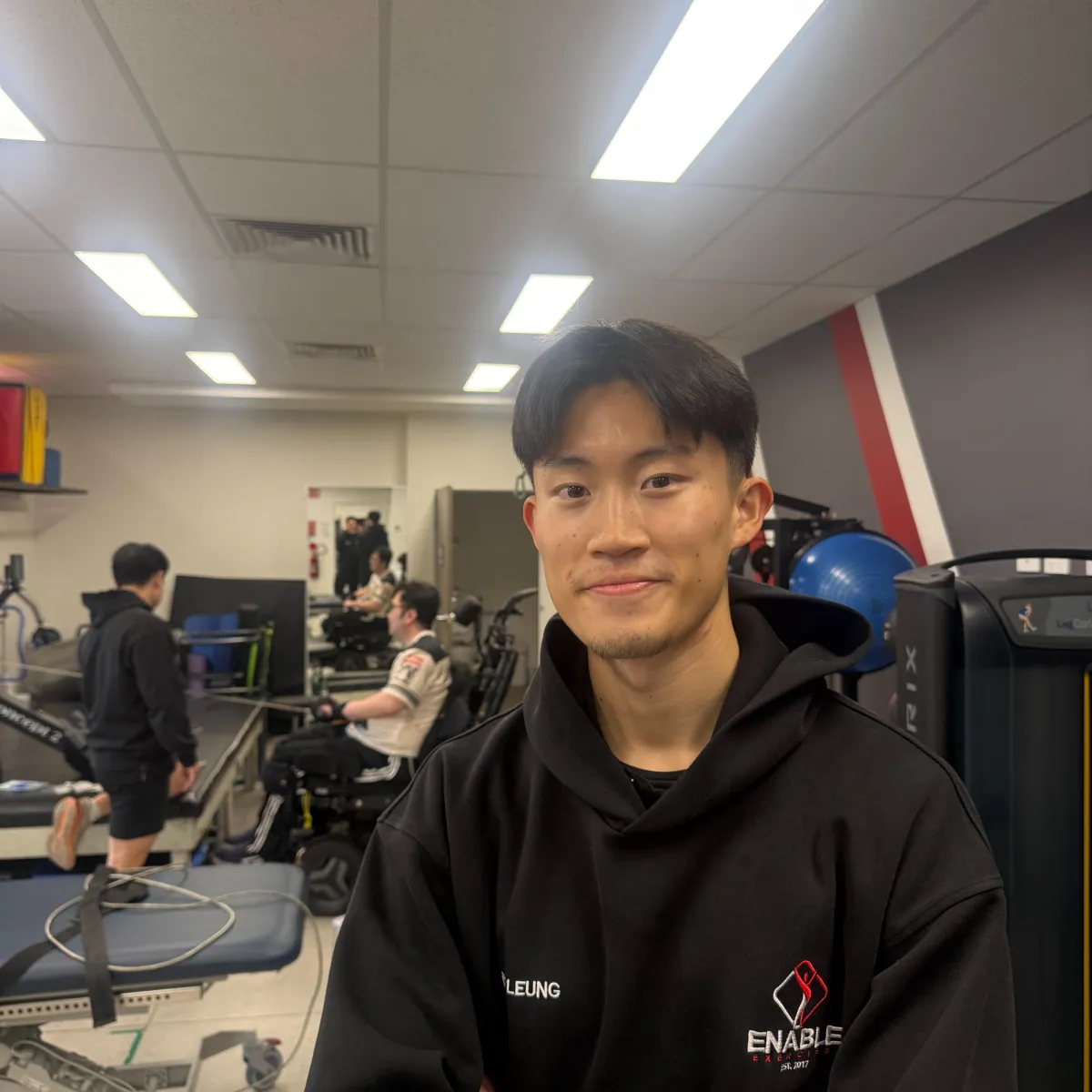
Andy
Physiotherapist
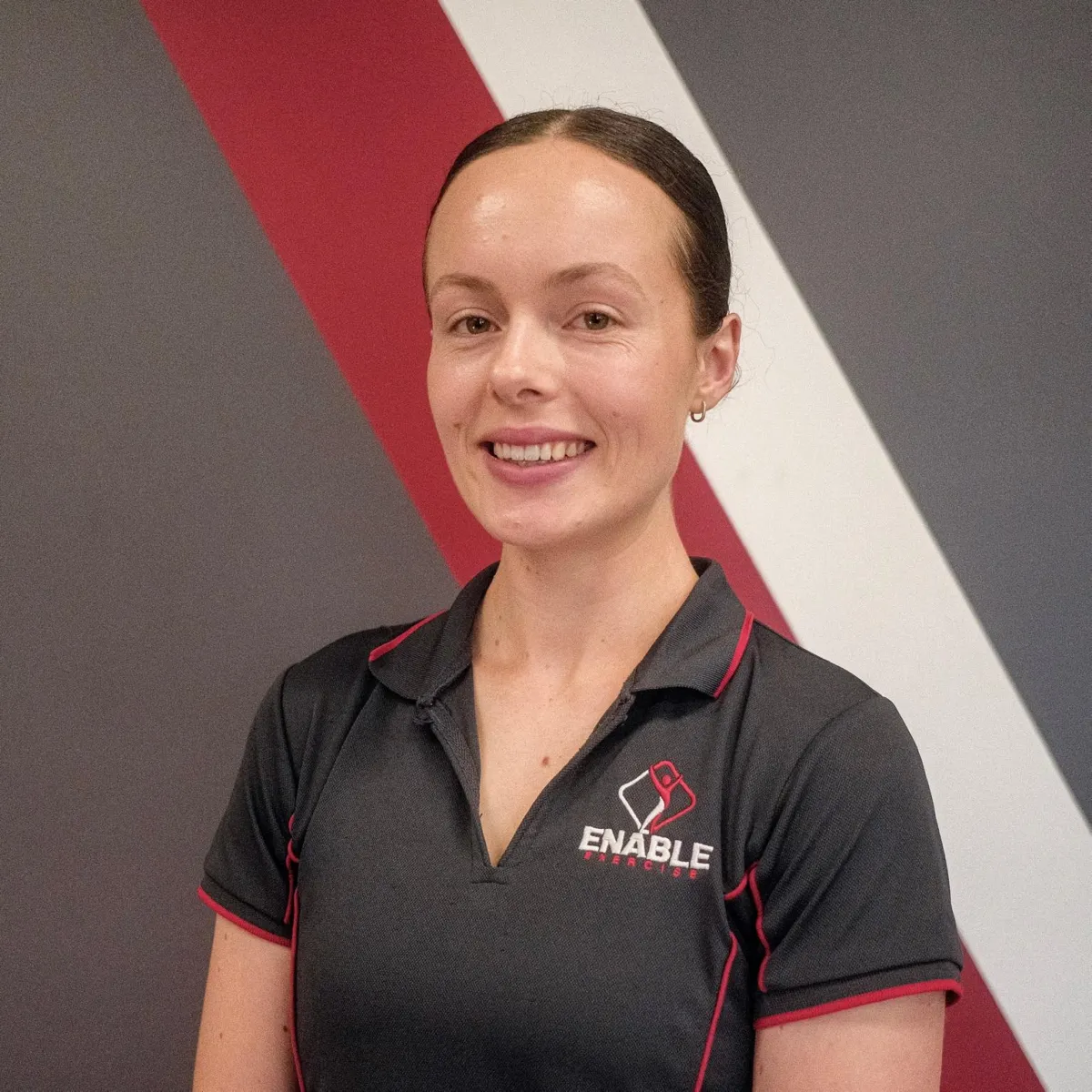
Lily
Exercise Physiologist
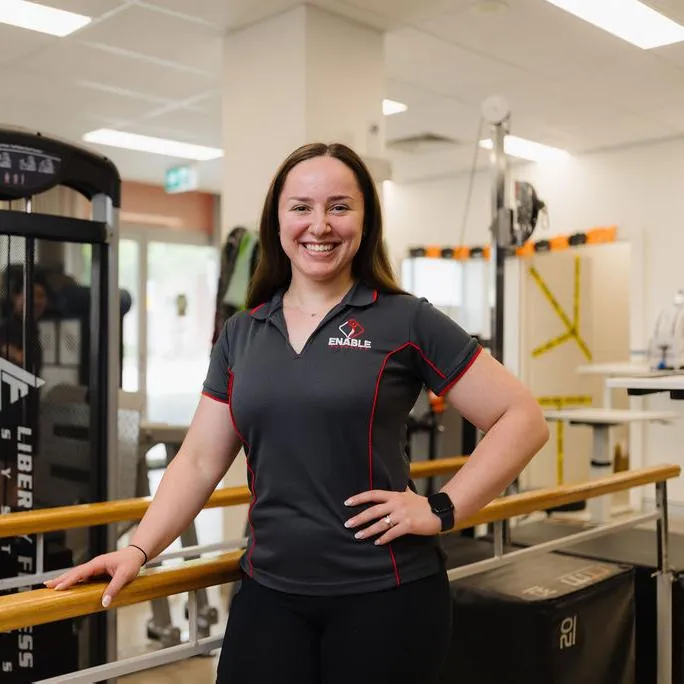
Tianna
Practice Manager & Exercise Physiologist
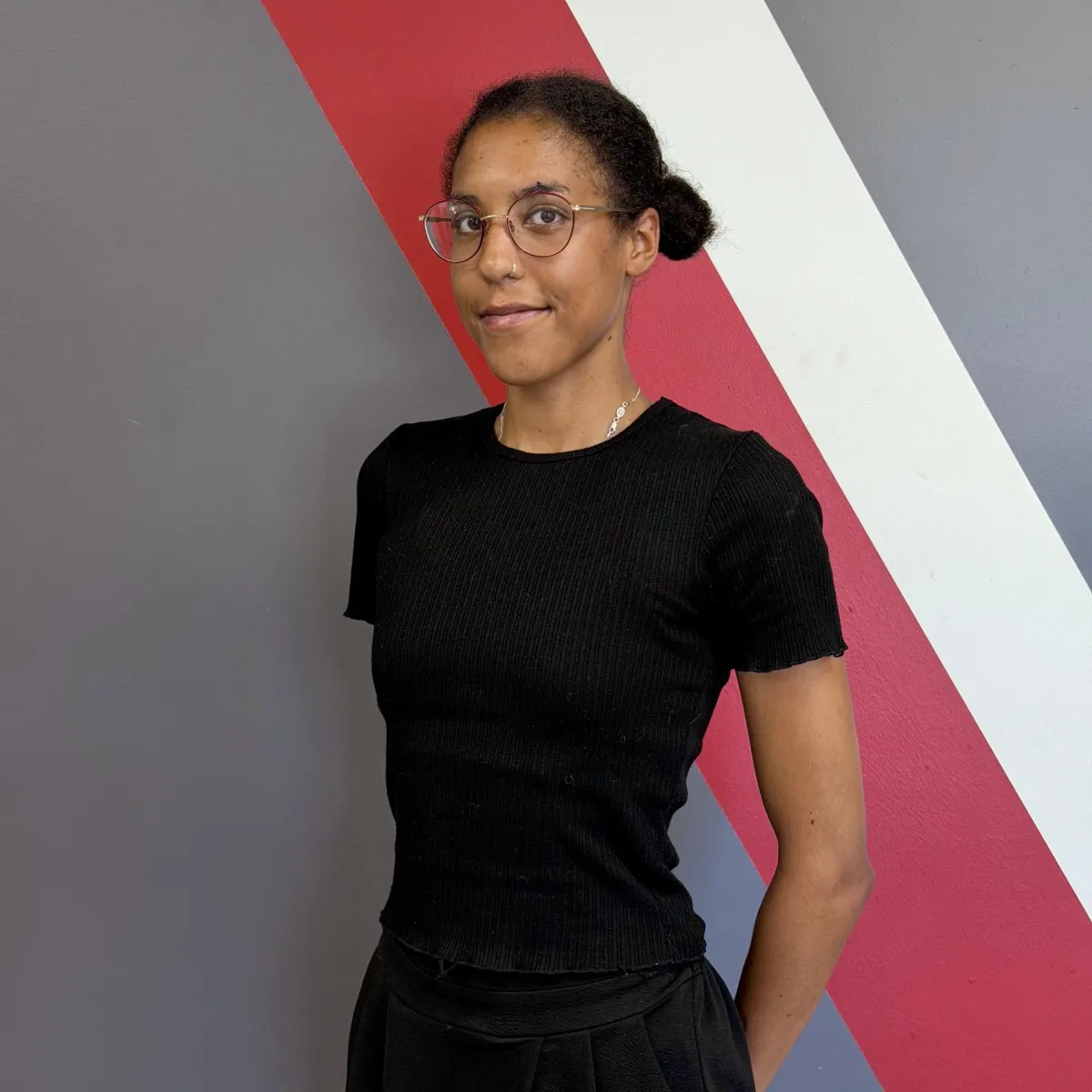
Del
Receptionist & Client Care
Our Exercise Physiologists are ESSA-accredited; our Physiotherapists are AHPRA-registered.
HOW YOU'LL KNOW IT's WORKING
We Measure Progress — And We’re Honest About It.
We can’t promise a fixed result — no honest clinic can, and everyone’s starting point is different. What we can do is measure where you begin, track every step against your own goals, and show you the numbers as we go. If it’s working, you’ll see it. If it isn’t, we’ll say so and help you find what will.
A written plan, not a photocopy.Clear goals, weekly structure and progressions— individualised, and yours to keep.
Measured, not guessed.Baseline and re-test using recognised measures — like a timed walk, a balance test or functional assessments — so progress is visible.
Physio + EP, one plan.The specificity and consistency a stroke benefits from — not generic exercise.
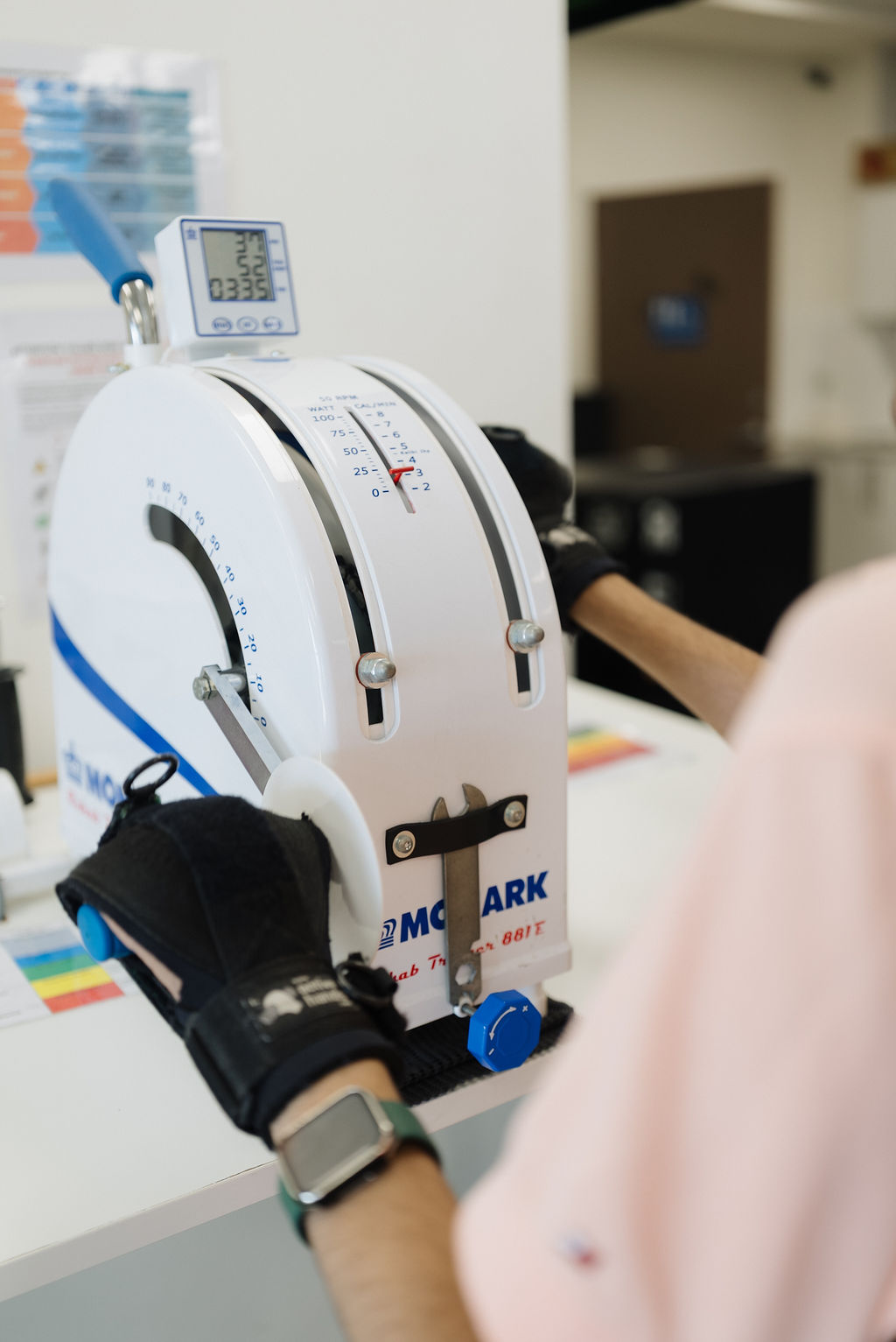
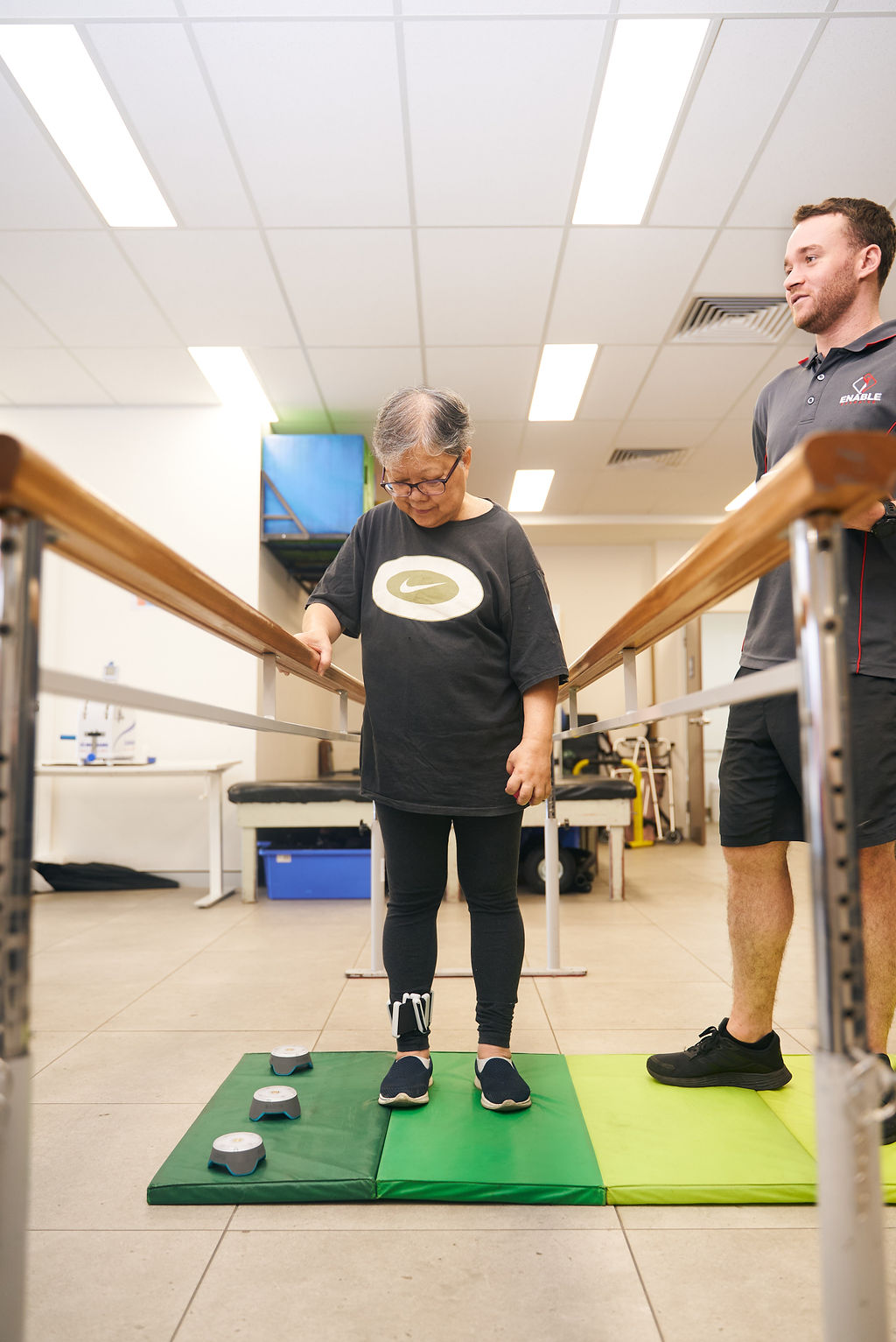
Purpose-built for neuro.Specialised neurological rehabilitation equipment, in a clinic set up for this work.
Regular check-ins & education.We adjust the plan as you progress, and talk through the everyday things affecting life right now — so nothing drifts.
Our approach is informed by peer-reviewed research on stroke rehabilitation, including reviews showing meaningful gains in strength and mobility with structured training. Individual results vary with starting point, consistency and other factors.
10+
Years specialising in neuro rehab
50+
Stroke Journeys Supported
10+
Practitioners Across
Physio & Ep
100s
Guided Reps Per Session, On Specialised Equipment
What if it's not the right fit?
Every program ends with a full re-assessment. If we’re not the right team — or we can’t show you progress — we’ll tell you honestly and point you toward someone who can. We’d rather do that than waste your time, your funding, or your hope.
What this can look like
Stronger, Steadier, More Independent — For You, And For The Whole Household.
More independence
More of the everyday things done your own way, asking for help less often.
Steadier movement
Standing, transferring and walking that feel safer and take less effort.
Pain that’s easier to manage
Practical strategies that make the day more workable.
More confidence
Moving with less fear of a fall.
Room for the family
Hours and headspace returned to the people around you.
Funding put to work
Documented progress that helps keep your plan supported.
Where this can take you
Today — And Twelve Weeks From Now.
Today
Every transfer needs another pair of hands.
Strength quietly slipping, month by month.
A photocopy on the fridge instead of a plan.
Facing it largely on your own.
IN 12 WEEKS
Every transfer needs another pair of hands.
Strength quietly slipping, month by month.
A photocopy on the fridge instead of a plan.
Facing it largely on your own.
What starting looks like
Your First Two Weeks, Step By Step.
A quick call
A free 10-minute chat about where you’re at and what you’d like to change. We’ll tell you honestly if we can help.
Your assessment
Physio and EP together map your strength, movement, balance and goals - so the plan fits you, not a template
Your written plan
You leave with a clear, individualised 12- week plan in hand- goals, structure and what to expect.
First sessions
Hands- on work begins at a pace that suits you, with your team adjusting as you go
Your 12-week plan
Everything Included In One Program.
Most people find this is fully or partly funded — so the real question is usually how to start. Here’s exactly what’s included.
What’s included over the 12 weeks
2-week treatment plan — individualised, written down, and yours to keep
10 one-to-one therapist sessions
6 × 20-minute telehealth education sessions — reviewing progress & the things affecting daily life now
Education fact sheets & guidance — exercise, lifestyle, diet, recovery milestones, sleep & carer support
Available in Mandarin, Cantonese & Arabic
Starting with baseline assessments from both physio & EP to build it
Group classes (14 in total)
Home exercise program + take-home exercise pack
Final reassessment + written outcome report
NDIS
Through your plan
If it’s in your plan, this is usually claimed through Capacity Building (Improved Daily Living). We handle the item numbers and paperwork.
HOME CARE/ AGED CARE
Within the package
Delivered within a Home Care Package — we work with the coordinator so it fits the budget.
MEDICARE
With a GP care plan
With a Chronic Condition Management plan, you may be able to claim a rebate on a limited number of allied health sessions each year. We’ll help you check.
PRIVATE
Simple and direct
Pay upfront or weekly. You may also be able to claim through your private health insurance, depending on your cover.
Same program, same care, whichever way you’re funded. Not sure how it’s covered? Tell us your situation on the call and we’ll find the right way forward with you.
Why starting now helps
Momentum Is Easier To Build Than To Rebuild.
The brain responds to consistent, well-designed training — starting sooner means more time doing the work that helps.
Funding is there to be used — a plan turns it into documented progress rather than unused hours.
Small, steady gains compound — the earlier you start, the more they add up.
Sharing the load sooner protects everyone around you, not just the person moving forward.
Common questions
Good Questions. Straight Answers.
How is the program funded?
Most people use NDIS (Capacity Building / Improved Daily Living), a Home Care Package, or a Medicare care plan. You can also pay privately, or claim through your private health insurance depending on your cover. We’ll help you work out what fits on your first call.
What if we can’t make every session?
Life happens. We work around appointments, fatigue and other commitments, and reschedule where we can — the plan is built around your week, not the other way around.
What if the tiredness is too much?
Fatigue is expected after a stroke. Sessions are paced to your energy on the day, and we build rest and recovery into the plan rather than pushing through.
Do we come to you, or can you come to us?
The program runs from our purpose-built Canterbury clinic, where the specialised equipment is. Home visits may be available in some cases — just ask.
What happens after the 12 weeks?
Your final re-assessment shows what’s changed and maps what’s next — a new block, a lighter maintenance plan, or continuing on your own with the home program. There’s no lock-in.
Is my NDIS plan enough to cover it?
Often yes, through Capacity Building funding. Tell us what’s in the plan and we’ll check before you commit — and we handle the item numbers and paperwork.
What if it turns out not to be the right fit?
We’ll tell you honestly at the re-assessment. If we can’t show progress, or we’re not the right team, we’ll say so and point you toward someone who can help.
Do you have therapists who speak our language?
Yes — sessions are available in Mandarin, Cantonese and Arabic.
Your next step
Let’s Talk About What’s Next.
Tell us where you’re at and what you’d like to see change. We’ll talk you through how the program works, whether it’s the right fit, and how it’s funded — no pressure, no jargon.
